Losing a loved one is never easy. During such difficult times, making the right decisions about their funeral can feel overwhelming. At L.E. Brand & Sons, we understand the emotional weight these decisions carry. Since 1880, we have provided first-class bespoke funeral services to the community, offering compassionate support and professional guidance from the very first phone call. Our dedicated team is available 24 hours a day to assist you, whether it’s helping with the registration process, arranging services with the crematorium, booking a minister, or handling all necessary paperwork.
Every family is unique, and so too are the ways in which they wish to commemorate a loved one. Choosing the right type of funeral is an important step in honouring their life and creating a meaningful farewell. In this guide, we explore both traditional and contemporary funeral services, helping you understand the differences, benefits, and considerations involved. Contact us today for more information about funeral types and how we can help.
Understanding Traditional Funeral Services
Traditional funeral services have been a cornerstone of British culture for centuries. They are often structured, formal events that follow established rituals and practices. While each family’s preferences can vary, traditional funerals typically reflect respect, solemnity, and a sense of continuity.
Key Features of Traditional Funerals
- Religious or Spiritual Elements
Traditional funerals often involve religious or spiritual practices, such as prayers, hymns, or readings, guided by a minister, priest, or officiant. These elements can provide comfort to mourners and help reflect the faith and values of the deceased.
- Wake or Viewing
Families may choose to have a wake or viewing, allowing friends and relatives to pay their respects to the deceased before the service. This time also allows for private reflection and sharing of memories in an intimate setting.
- Ceremonial Processions
Coffin processions to a church, crematorium, or burial site are often part of traditional services, accompanied by formal music. Processions help signify the importance of the occasion and provide a solemn, dignified farewell.
- Formal Service Structure
Traditional funerals generally follow a set order, including eulogies, scripture readings, prayers, and sometimes a sermon. The structured format ensures that all aspects of remembrance and ritual are observed appropriately.
- Floral Tributes
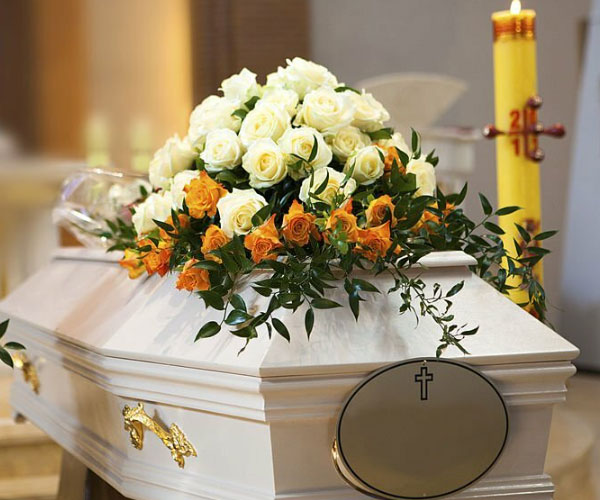
Floral arrangements are a common feature, serving as both a tribute and a way to express sympathy. They also create a visually comforting environment and can be personalised to reflect the deceased’s favourite flowers or colours.
- Memorial Books and Keepsakes
Guests may be invited to sign a memorial book or take home a keepsake to remember the deceased. These tokens serve as lasting reminders of the service and provide emotional support for grieving loved ones.
- Coffin Choice
A range of coffins is available, from simple wooden designs to more elaborate options, reflecting the family’s wishes and budget. Selecting the right coffin allows families to honour the deceased’s personality and final wishes with care and thoughtfulness.
- Burial or Cremation Options
Traditional funerals can involve either burial or cremation, often with additional rituals associated with each. These choices allow families to follow customary practices while creating a meaningful farewell experience.
Traditional funerals provide a structured and familiar way to honour a loved one, combining ritual, ceremony, and communal support to create a respectful farewell.
Why choose a Traditional Funeral Service?
There are many reasons families may choose a traditional funeral:
- Comfort in Familiarity
Traditional services follow established rituals, providing comfort to those who find solace in structure. This familiarity can help mourners feel supported and provide a sense of continuity during an emotionally challenging time.
- Religious Observance
For families wishing to observe religious customs, a traditional service ensures these rites are properly followed. It allows faith-based communities to participate fully and uphold spiritual traditions important to the deceased.
- Community and Family Support
The formal structure allows friends and family to gather and share memories collectively. This shared experience strengthens bonds and provides collective comfort during the grieving process.
- Cultural Heritage
Traditional funerals often reflect longstanding cultural or family practices, helping preserve heritage. Honouring these customs can provide a meaningful connection to previous generations and celebrate familial identity.
- Commemorative Ceremony
The formal aspects of the service allow for a thorough commemoration of the deceased’s life. They ensure that the achievements, values, and legacy of the individual are recognised and remembered with dignity.
Choosing a traditional funeral can provide reassurance during a time of grief, offering a familiar framework for honouring a loved one’s life. It gives families the confidence that every detail is managed respectfully, allowing them to focus on remembrance and support.
Understanding Contemporary Funeral Services
Contemporary funeral services are a more flexible and modern approach to commemorating a loved one. They often prioritise personalisation and individuality, allowing families to tailor the ceremony to reflect the personality, interests, and lifestyle of the deceased.
Key Features of Contemporary Funerals
- Personalised Ceremonies
Contemporary services focus on reflecting the life and character of the deceased, with stories, anecdotes, and unique elements. This personalisation ensures the service feels authentic and deeply meaningful to both family and friends.
- Variety of Venues
Services can take place anywhere meaningful—be it a garden, beach, park, or private home—rather than solely at a church or crematorium. Choosing a special location can make the farewell more intimate and memorable for attendees.
- Flexible Rituals
Families can choose to include traditional rituals or entirely modern elements, such as multimedia presentations or themed décor. This flexibility allows for creativity while still honouring important customs or personal preferences.
- Celebratory Atmosphere
Contemporary funerals can be solemn or celebratory, often highlighting the life lived rather than mourning death. A celebratory approach can uplift attendees and focus on positive memories rather than solely on grief.
- Music and Media
Popular music, video tributes, and photo montages can be incorporated, creating a dynamic and personal experience. These elements help capture the essence of the deceased’s life and leave a lasting impression on guests.
- Eco-Friendly Options
Many contemporary services include environmentally conscious choices, such as biodegradable coffins or green burials. These options allow families to honour their loved one while minimising environmental impact.
- Casual Dress Codes
Guests may be encouraged to wear casual or themed attire, reflecting the personality of the deceased. This relaxed approach can make attendees feel more comfortable and connected to the celebration.
- Interactive Elements
Guests might be invited to share memories, contribute to memory boards, or participate in activities during the service. Engaging guests actively creates a sense of community and shared remembrance.
Contemporary funerals provide flexibility and creativity, allowing families to design a farewell that truly reflects the uniqueness of their loved one. They enable a meaningful, personalised tribute that can resonate with everyone present and celebrate a life in a way that feels authentic.
Why choose a Contemporary Funeral Service?
Contemporary funerals offer several advantages:
- Personal Expression
These services allow families to celebrate the individuality and passions of the deceased. They provide a meaningful opportunity to incorporate hobbies, interests, and personality traits that truly represent the person being remembered.
- Flexibility
They can be tailored to any setting, schedule, or style, accommodating unique family needs. This adaptability ensures that the service fits both the family’s wishes and the practical considerations of attendees.
- Memorable Experiences
Contemporary elements like multimedia tributes or creative décor make the ceremony memorable for attendees. These personal touches help create lasting impressions and make the service truly distinctive.
- Inclusive Atmosphere
Modern services can be more inclusive, welcoming people of all beliefs and backgrounds. This approach encourages participation and support from a wider circle of friends and family, fostering unity during a difficult time.
- Focus on Celebration
Rather than purely mourning, contemporary funerals often focus on celebrating the life and achievements of the deceased. This uplifting approach allows loved ones to remember joyful moments and honour accomplishments in a heartfelt way.
For families seeking a unique, heartfelt farewell that honours the life of their loved one in a meaningful and personal way, contemporary services offer a compelling option. They allow the family to create a ceremony that is both memorable and deeply reflective of the individual’s life and legacy.
Choosing the Right Funeral: Traditional or Contemporary?
Selecting between a traditional and contemporary funeral can feel daunting. However, understanding the differences and considering your loved one’s wishes can help guide your decision…
- Personality of the Deceased: Were they traditional, spiritual, or more modern and unconventional?
- Religious Beliefs: Does the family want to observe specific religious customs or follow cultural rituals?
- Family Expectations: Are there expectations from family or community that might influence the service type?
- Guest Experience: Consider whether the ceremony should be formal, casual, celebratory, or reflective.
- Budget: Traditional services can sometimes be more costly due to formal elements and ceremonial requirements, while contemporary funerals can be tailored to suit a wider range of budgets.
- Venue and Location: Traditional services often take place at churches or crematoriums, whereas contemporary services allow for a wider variety of meaningful locations.
- Memorialisation: How would the family like to remember and honour the deceased, both during and after the service?
- Flexibility and Personalisation: Does the family want to incorporate unique touches like multimedia presentations, themed décor, or interactive tributes?
Ultimately, the best funeral is one that aligns with the personality, beliefs, and wishes of the deceased while providing comfort and support to those left behind.
Things to Consider When Planning a Funeral
- Advance Planning: Encourage discussions with family members before a loss occurs, when possible.
- Legal Requirements: Ensure registration of the death and compliance with local regulations.
- Funeral Director Support: Choosing a reputable funeral director, like L.E. Brand & Sons, can ease the logistical and emotional burden.
- Personal Touches: Think about music, readings, photographs, or mementoes that reflect the deceased.
- Accessibility: Consider the needs of elderly or disabled guests.
- Environmental Impact: Explore eco-friendly or sustainable options if important to the family.
- Budget Transparency: Understand costs upfront, including cremation or burial fees, transport, and additional services.
- Guest Invitations: Decide whether to have a private or public service and how to communicate this.
- Aftercare: Look into grief support and memorial options post-funeral.
In Conclusion: Honouring Life in Your Own Way
Choosing between a traditional and contemporary funeral is deeply personal. Both options offer meaningful ways to commemorate a life, whether through formal rituals, structured ceremonies, or personalised, creative tributes. At L.E. Brand & Sons, we believe every farewell should reflect the life lived, bringing comfort to those left behind and honouring the memory of your loved one. With over 140 years of experience, we guide families through each step, ensuring a compassionate, respectful, and tailored service. Contact us today to see how we can support and guide you through the process.
FAQs
What is the difference between a traditional and a contemporary funeral?
Traditional funerals follow established rituals and structures, while contemporary funerals allow more personalisation and creative expression.
Can I include religious elements in a contemporary funeral?
Yes, contemporary funerals are flexible and can incorporate religious or spiritual elements alongside modern features.
Are contemporary funerals more expensive than traditional ones?
Costs vary based on personalisation, venue, and additional services. Both types can be tailored to different budgets.
How long does a traditional funeral usually last?
Traditional funerals typically last 45 minutes to an hour, though this can vary depending on rituals and eulogies.
Can I hold a funeral at a non-traditional venue?
Yes, contemporary funerals often take place in meaningful locations beyond churches or crematoriums.
Do I need to pre-plan a funeral?
Pre-planning is optional but can reduce stress and ensure wishes are honoured.
What is a green or eco-friendly funeral?
Green funerals minimise environmental impact through sustainable coffins, natural burials, and reduced emissions.
Can children participate in contemporary funerals?
Absolutely; contemporary services often encourage participation from all family members.
Do I need a funeral director for a contemporary service?
While optional, professional guidance ensures logistics and legal requirements are handled smoothly.
How can I personalise a traditional funeral?
Adding meaningful readings, music, photographs, or personal mementoes can personalise a traditional service.
At L.E. Brand & Sons, we are here to guide you through every step of this sensitive journey. Whether you prefer a traditional or contemporary funeral, we provide compassionate, professional support to honour your loved one with dignity and care. Contact us today to discuss your options and begin planning a meaningful farewell.